Hybrid conference with Kathmandu University in Nepal was a great success

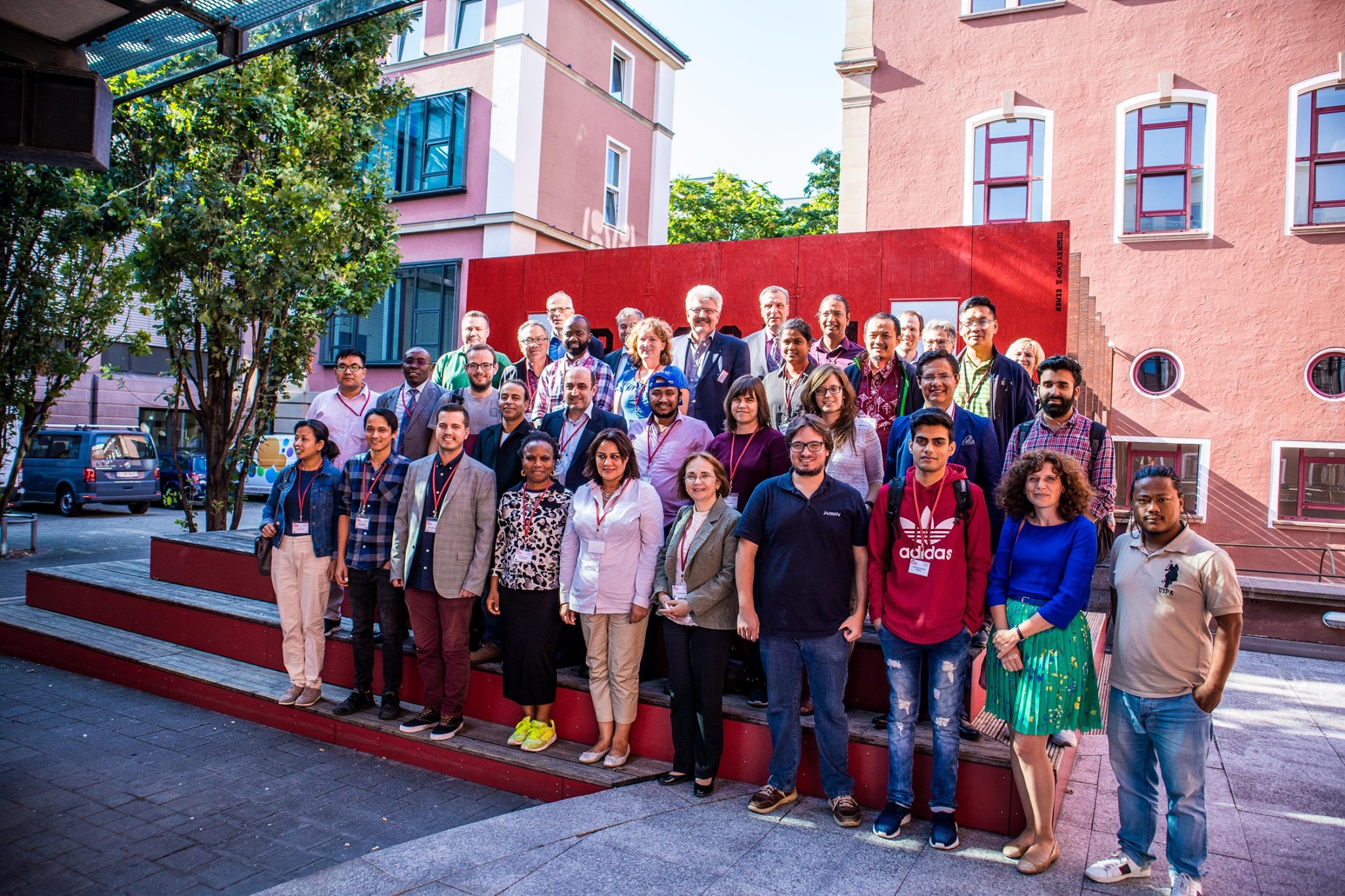
With more than 200 registered participants, AGSE 2021 (Applied Geoinformatics for Society and Environment) took place from November 24-26 as a hybrid conference - with a broadcast studio at HFT Stuttgart as well as streaming from the rooms of the partner university in Nepal. The continuous participation of 40 to 70 participants from (almost) all parts of the world over three days was a huge success.

The alumni conference of the master's program "Photogrammetry and Geoinformatics" had to overcome special hurdles this year. For a long time it was not certain whether a conference in presence at Kathmandu University in Nepal would be feasible during the Corona pandemic. The planning and preparations in summer were still based on a presence event, because everyone would have preferred a face-to-face meeting in Kathmandu. With alumni and alumnae coming from all parts of the world, an online-only conference across time zones means a big challenge: for some it's breakfast time, for others it's the middle of the workday, after work, and some have to get up extra in the night. But the pandemic situation ultimately forced a switch to a hybrid conference. And that is why the organizers were very pleased that 58 alumni and alumnae from almost all continents of the world were present. The now 11th AGSE conference was planned and implemented together with the Department of Geomatics Engineering, School of Engineering, Kathmandu University. Numerous international experts, many of them alumni of the study program, attended to listen to the interesting lectures on the topic "Geospatial Technology in Times of Global Challenges" and to exchange ideas in scientific discourse.

Live from the auditorium with Nepalese flair

Thanks to the support of the DAAD, it was also possible to spread a little "Nepalese flair" in the hybrid conference. For the ceremonial opening of the conference, staff, technology and artists were supported. All contributions were streamed live from the large auditorium of Kathmandu University. The typical "AGSE flair" was also maintained through the contributions. Many speakers from academia, but also from Nepalese ministries, addressed the challenges in the host country Nepal, so that the exchange of knowledge and the discussions could result in an even greater added value for the region and the international participants gained a better understanding of the local conditions. Focus on food - water - energy

A strong focus was placed on the food-water-energy nexus, which is also of great importance in many other parts of the world. The keynote speakers Janak Raj Joshi (Joint Secretary, Ministry of Land Management, Nepal) reported on current developments on data collection and transfer to the first national land management plan adopted in 2020. Matthias Ruchser (Coordinator Outreach, Global Crop Diversity Trust) sensitized the audience with his presentation "The Loss of Biodiversity - Climate Change as a Security Risk". He highlighted the fascinating diversity of crops that his company is actively helping to preserve. Athina Trakas (Open Geospacial Consortium) invited all participants to share the latest developments in the OGC, to actively participate with their needs and thus to bring the international community even closer together. Prof. Dr. Peter Schmitz (Department of Geography, University of South Africa) showed in his contribution "Food Insecurity, fortunate Index and Income as possible Indicators for Vulnerability" interesting connections and correlations, which were lively discussed. Prof. Dr. Matthias Möller (University of Bamberg & Beuth University of Applied Sciences Berlin) offered a review of "Five Decades, almost a half Century of Operational Earth Observation", which also provided an exciting look into the future. Dr. Jagannath Aryal (Senior Lecturer Infrastructure Engineering, The University of Melbourne) addressed a special area of the use of earth observation data with his lecture "Earth Observation and Digital Twin for SDG: a Future Outlook from Urban Systems" and impressed with numerous examples from the field of "Smart Cities".

Workshops and networks

The workshops offered were also in great demand. Highlights were the workshop on "Geo-Information Management for the humanitarian/development Nexus: Challenges and Opportunites" by Christine Brönner and the workshops by alumni Hamidreza Ostadabbas, Winhard Tampubolon, and Mohammad Shafi Bajauri on various geo-information systems and data analysis. During the various lecture sessions, 40 speakers reported on their current projects - be it in the context of research projects or projects from their daily professional practice. There was also time for private chats. During the breaks, pictures from the study programmes as well as from previous AGSE conferences were shown. This stimulated the exchange in the chat again and again: Who is there from which year? Do you still remember? Are you still working on this or that topic? The successful concept of the AGSE conference will of course be continued - the 12th AGSE will take place in November 2022 together with the Department of Geology, School of Earth Systems Sciences of the Digital University Kerala in India. Hopefully in presence, in any case again with DAAD funding.
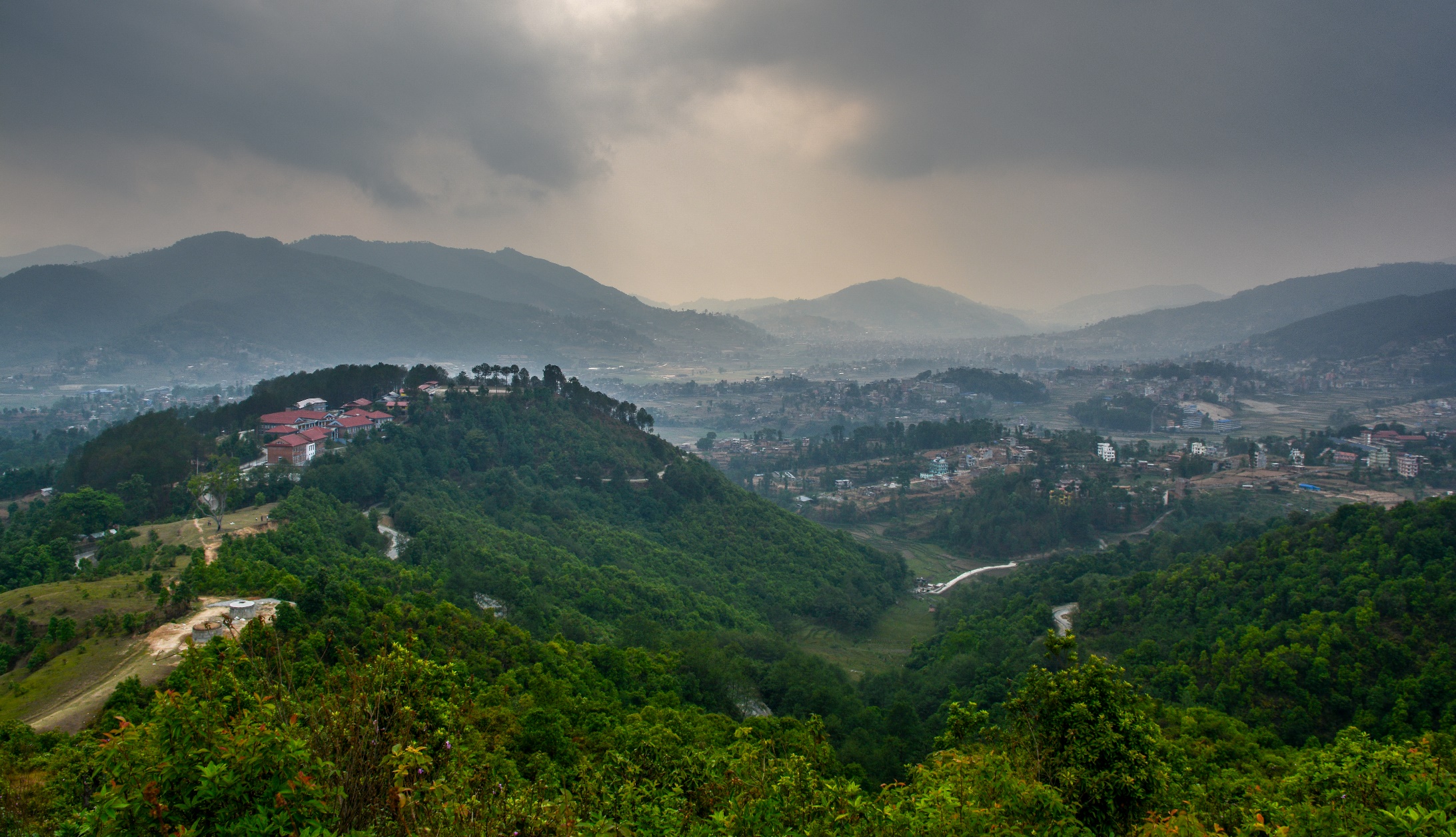
Applied Geoinformatics for Society and Environment 2021

Topic

Geospatial Technology in Times of Global Challenges

Keynotes

  • Janak Raj Joshi, Joint Secretary, Ministry of Land Management, Cooperatives and Poverty Alleviation
  • Matthias Ruchser, Coordinator Outreach, Public Affairs Team, Crop Trust: The Loss of Biodiversity: - Climate Change as a security risk. Mr Ruchser has a strong background in different aspects of climate change. In his talk he will introduce the impact of a worlswide network of seed data bases can contribute to the relaisation of SDG 2, 12 and 13
  • Athina Trakas, OGC Director Regional Services - Europe, Central Asia & Africa: OGC - Intro & Recent Developments
  • Prof. Dr. Matthias Möller, University of Bamberg, Germany, and Beuth University, Berlin, Germany
  • Prof. Dr. Franz-Josef Behr: OGC and ISO Geoinformatics standards in the context of SDIs, SDGs, VGI and Open Data
  • Dr. Suchith Anand, Global Open Data for Agriculture and Nutrition, Nottingham, UK: Bridging the Geospatial Digital Divide

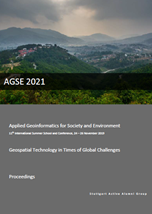
Proceedings

Proceedings Cover AGSE 2021

Local organizing Team

  • Prof. Dr. Subash Ghimire, Department of Geomatics Engineering, School of Engineering, Kathmandu University
  • Prof. Dr. Reshma Shrestha, Department of Geomatics Engineering, School of Engineering, Kathmandu University
  • Prof. Dr.-Ing. Ramesh Kumar Maskey

International organizing Team

Acknowledgements

This event is supported and sponsored by German Academic Exchange Service (DAAD) by means of Federal Ministry for Economic Cooperation and Development (BMZ), by Kathmandu University and Stuttgart University of Applied Sciences. Hence registration is required, but it will be a free and open conference.

About

Since 2008, AGSE is bringing together experts from around the world, AGSE fosters collaboration on cutting-edge research and practical applications in geospatial technologies, remote sensing, and GIS to address pressing global challenges.

The conference is closely related to the Master’s Programme in Photogrammetry and Geoinformatics with a global network of about 550 alumni. Since its beginning, the course is supported by the German Academic Exchange Service (DAAD) in its program for Development-Related Postgraduate Courses (EPOS).

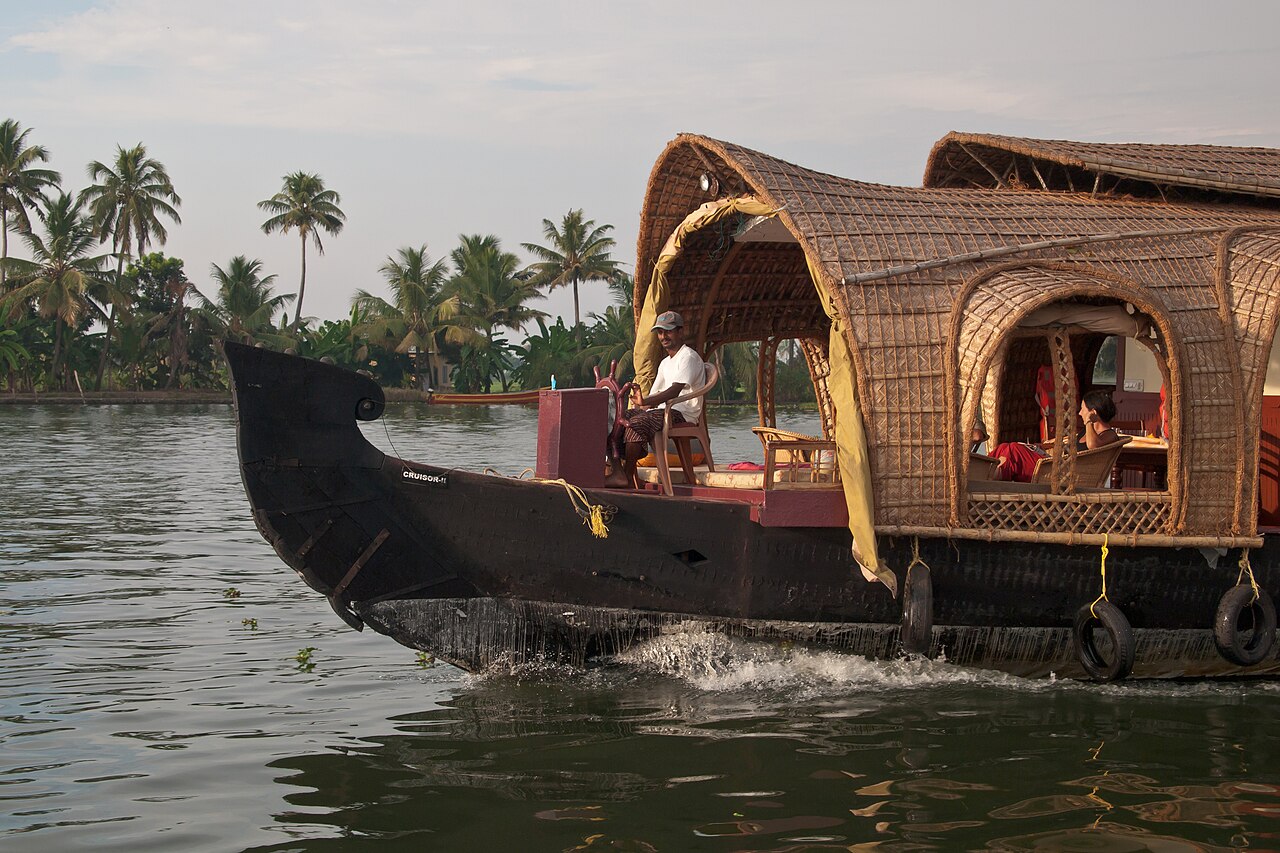
AGSE 2022 – Thiruvananthapuram, India

Applied Geoinformatics for Digital Transformation and Environmental Stewardship

AGSE 2022 is incorporated into the DAAD supported alumni work of the University of Applied Sciences Stuttgart. Therefore, participants from many countries worldwide contribute with experiences from their home countries.

With the wide topic "Applied Geoinformatics for Digital Transformation and Environmental Stewardship" the summer school aims at contributions of Earth Observation, geoinformatics and geospatial science ) for ongoing digitalization in our socienties and our role in the handling of environmental changes and corresponding activities.

The concept includes invited talks by international experts in combination with presentations by participants in the mornings and workshops in the afternoons on topics related to technological developments and recent data provision by Earth Observation Systems.

The objective of the conference was to 'take the benefits of geographic information technologies to a wide canvas of applicable areas'. Since 2008 we – scientists, practitioners, students and alumni – continue this path to empower one another in a participative way.

AGSE 2022

AGSE 2019 – Stuttgart, Germany

  • Gain insights into the latest advancements in GIS, AI, and remote sensing.
  • Connect with global experts, researchers, and industry leaders.
  • Engage in interactive workshops and hands-on training sessions.
  • Explore innovative geospatial solutions for climate change, disaster management, and sustainable development.

AGSE 2019

AGSE 2017 – Kish, Iran

Geoinformation – Supporting Crisis and Disaster Management

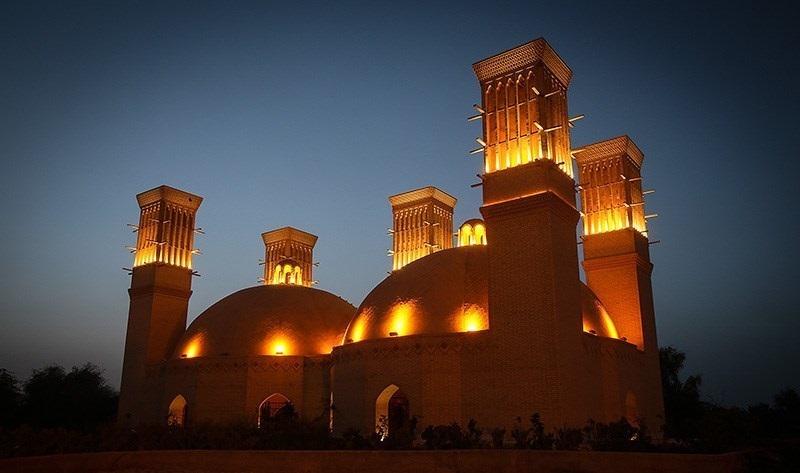
The 8th International Summer School of Applied Geoinformatics for Society and Environment (AGSE2017), which was co-organized by University of Applied Sciences Stuttgart, University of Tehran, German Academic Exchange Service (DAAD), and International Society for Photogrammetry and Remote Sensing (ISPRS) held at the Kish International Campus University of Tehran, Kish Island from April 29 to May 04, 2017. The overall goal of this conference was to take into account the current state-of-the-art in Geosciences related disciplines such as photogrammetry, remote sensing, and geo-information topics to a wide range of application areas, with significant focus on "Crisis and Disaster Management". During this summer school different practical and educational workshops have been conducted by outstanding and internationally known researchers on different fields of geospatial data acquisition, analysis and application. Generally, about 23 articles and works in progress and about 11 workshops were presented during five days. The scope of the presentations covered the latest science and technology developments as well as recent applications and research activities for crisis and disaster management, risk assessments, monitoring natural and man-made disasters, based on earth observation or ground based techniques as well as the other contribution of geoinformatics, remote sensing, and planning to preparation, response, recovery, and mitigation of disasters. The overall success of AGSE2017 summer school was demonstrated by the impressive attendance, with more than 50 participants from universities and research organizations, but also from application oriented institutions, primarily from Iran but also from twelve other nations such as Germany, France, The Netherlands, Colombia, Kenya, Bangladesh, Ethiopia, Sri Lanka, India, Nigeria, Nepal, and Tanzania.

AGSE 2017

AGSE 2013 – Ahmedabad, India

  • Gain insights into the latest advancements in GIS, AI, and remote sensing.
  • Connect with global experts, researchers, and industry leaders.
  • Engage in interactive workshops and hands-on training sessions.
  • Explore innovative geospatial solutions for climate change, disaster management, and sustainable development.

AGSE 2013

AGSE 2011 – Nairobi, Kenya

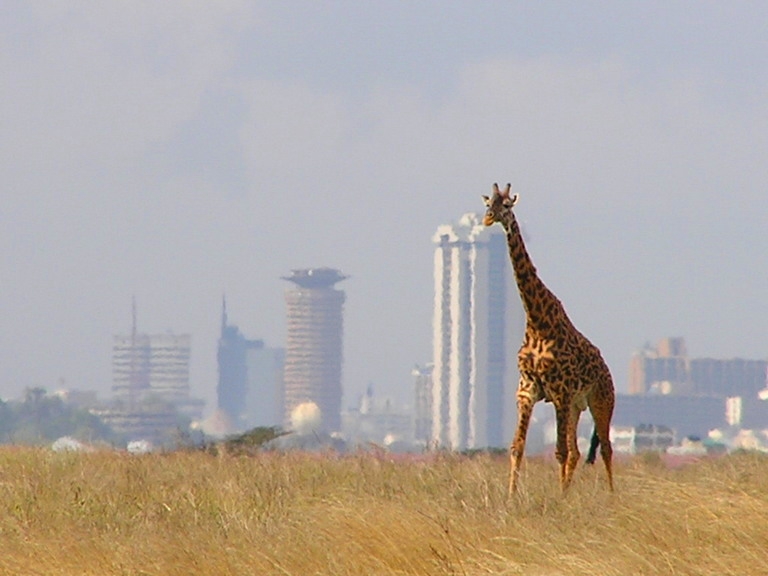
AGSE 2011 is special; it is being held for the first time in Africa, and particularly so in Nairobi, Kenya, the city that hosts the headquarters of the United Nations Environmental Programme (UNEP). Besides drawing a variety of papers from the international forum of the alumni of Stuttgart University of Applied Sciences, a considerable contribution from other researchers has addressed the use geoinformatics in Africa, and more so from the host country. The scientific and application areas presented in the papers are classed into eleven broad sub-themes namely: (1) General application papers, (2) Internet-based and open source solutions, (3) Advances in GIScience and current developments, (4) Spatial data infrastructures, (5) Environmental issues and sustainable development, (6) Natural resource management, and monitoring (7) Disaster and risk management, (8) Geoinformatics in health, (9)Urban and regional planning, (10) GIS in Education, and (11) Alumni experiences and business development.

AGSE 2011 - A lone giraffe in Nairobi National Park.

AGSE 2009 – Stuttgart, Germany

Taking the benefits of geographic information technologies

AGSE 2009